The Parable of the Prodigal Son summary and analysis

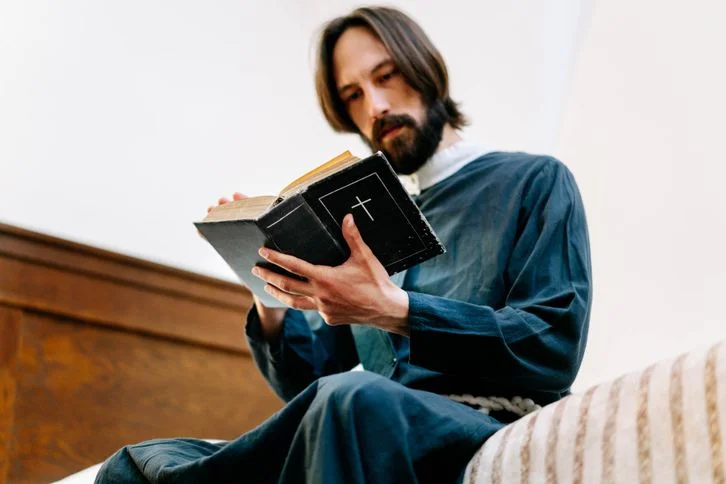
This short biblical story is one of the best-known teachings Jesus gives in the Gospel of Luke. It is short, but it gives students a lot to work with: family conflict, moral failure, repentance, mercy, resentment, and an ending that stays open. The story appears in Luke 15:11–32, after two shorter parables about a lost sheep and a lost coin.
For a class assignment, the main task is not only to repeat what happens. A stronger reading explains why Jesus tells the story, how each character shapes the meaning, and why the final scene matters. The Prodigal Son story is often remembered for the younger son’s return, but the older brother’s anger is just as important to the lesson.
| Quick detail | Answer |
| Biblical book | Gospel of Luke |
| Passage | Luke 15:11–32 |
| Main figures | Younger son, older son, Father |
| Central conflict | A son leaves home, returns in shame, and is welcomed back |
| Main study focus | Mercy, repentance, restoration, and resentment |
Biblical context of the Prodigal Son
Where the parable appears in the Bible
The story appears in Luke 15:11-32. It follows the parables of the lost sheep and the lost coin, so the chapter already has a clear pattern before the family story begins. Something or someone is lost, the loss matters, and recovery leads to joy.
That pattern helps explain why the younger son is not treated as a simple example of bad behavior. He is part of a larger chapter about what it means to be found again. The difference is that this parable adds a second son who does not share the joy. That makes the moral question more complicated.
Why Jesus tells the parable
Luke places the story in a setting where tax collectors and sinners are listening to Jesus, while Pharisees and scribes complain that he welcomes them. The parable responds to that complaint through a family situation rather than a direct argument. Jesus turns a religious dispute into a household drama that listeners can picture easily.
The story has several related purposes. These points are useful when preparing notes or building a body paragraph.
- It shows repentance as a return, not only as regret.
- It presents mercy as public restoration, not quiet tolerance.
- It challenges the belief that forgiveness should be earned before it is given.
- It reveals how resentment can grow even in someone who has stayed obedient.
- It asks whether a community can celebrate when someone who failed is restored.
Why the older brother matters
The older brother matters because he keeps the parable from becoming too simple. If the younger son shows open failure, the older brother shows a different kind of distance. He has remained at home, worked, and followed expectations, but he cannot accept the celebration.
This is why the ending feels unfinished. The younger son enters the household again, but the older brother stands outside. Readers never hear his final answer. That silence leaves the listener with a question: is it possible to be near home and still miss the heart of mercy?
The Parable of the Prodigal Son summary
The younger son asks for his inheritance
The younger son begins the conflict by asking for his share of the inheritance. He does not wait for the normal time. By asking early, he treats the family estate as something he wants to use apart from the family itself.
The Father divides the property between the two sons. The story does not slow down to explain every legal or cultural detail, but the emotional meaning is clear. The younger son wants independence, money, and distance.
The son wastes everything
Soon after receiving his share, the younger son leaves for a distant country. There he wastes his property in reckless living. The distance is both physical and moral, since he has moved away from the household and from the relationships that gave him identity.
Then a severe famine comes. His money is gone, and the place that once seemed free becomes dangerous. He takes work feeding pigs and becomes so hungry that he longs for the food given to the animals. At this point, the lost son has reached the lowest moment in the plot.
The decision to return home
The turning point comes when the younger son “comes to himself.” He remembers that the hired workers at home have enough bread, while he is starving. That memory gives him the courage to return, though not with the confidence of someone claiming his old position.
He prepares a confession before he reaches home. He plans to say that he has sinned and is no longer worthy to be called a son. The request he has in mind is modest: he wants to be treated like a hired worker. In a summary, this scene is important because repentance begins before any reward appears.
The Father welcomes his son
The Father sees him while he is still far away. Instead of waiting for him to arrive in shame, he runs toward him, embraces him, and kisses him. The son begins his prepared confession, but the response quickly shifts from apology to restoration.
The servants are told to bring the best robe, a ring, and sandals. A feast is prepared because the son who was thought lost has returned alive. These details show that the younger son is not merely allowed to survive near the household. He is received as family.
The older brother refuses to celebrate
The older brother is in the field when the celebration begins. As he comes near the house, he hears music and dancing. A servant explains that his brother has returned and that a feast has been prepared because he is safe.
The older brother becomes angry and refuses to go in. His complaint is not hard to understand. He has worked for years and feels overlooked. Still, his words reveal more than hurt feelings. He calls the returning man “your son,” which shows that he has separated himself from his brother emotionally.
The Father’s final response
The Father comes out and speaks to the older brother with patience. He reminds him that he is always with him and that everything in the household is his. The celebration does not erase his place or reduce his inheritance.
Still, the feast is necessary. The brother was dead and is alive again; he was lost and has been found. The parable ends there, without showing whether the older brother enters. That unresolved ending gives the story much of its force.
The Parable of the Prodigal Son analysis
Main characters
The three main characters create the central tension. The younger son brings the plot into motion through his demand, departure, failure, and return. The older brother complicates the ending because his anger exposes another kind of broken relationship. The Father holds both parts of the story together by moving toward each son.
A helpful reading should avoid treating the characters as flat symbols only. They can have symbolic meaning, but they also behave like people in a family conflict. Their words and actions make the theological message easier to see. This balance between human emotion and religious meaning gives the section stronger analysis.
| Character | Role in the story | What the character helps reveal |
| Younger son | Leaves home, loses everything, returns in humility | Repentance, need, shame, and restoration |
| Older son | Stays home, works, then refuses the feast | Resentment, wounded loyalty, and resistance to mercy |
| Father | Receives the younger son and pleads with the older son | Mercy, patience, generosity, and restored belonging |
Major themes
The parable works because its themes are shown through action. A student essay should connect each theme to a scene rather than naming it in a general way. The following themes are especially important.
- Repentance appears when the younger son recognizes his condition and turns back home.
- Mercy appears when the Father restores him before he can earn back his former place.
- Restoration appears through the robe, ring, sandals, and feast.
- Resentment appears when the older brother treats forgiveness as an insult to his service.
- Joy appears as the proper response when the lost son is found.
Symbols in the parable of the Prodigal Son
The distant country symbolizes separation. It is the place where the younger son imagines freedom, but it becomes the place of hunger and humiliation. The famine makes his inner emptiness visible in physical form.
The pigs deepen that humiliation. Feeding them shows how far he has fallen from the household he left. The robe, ring, and sandals reverse the shame by marking his return to family status. The feast is also symbolic because it turns private forgiveness into public celebration.
These symbols are simple, but they are not shallow. They help the reader see that restoration is more than being excused. It means being brought back into relationship.
Literary devices and allegorical layers
The story uses contrast throughout. Home is set against the distant country. Hunger is set against the feast. The younger son’s confession is set against the older brother’s complaint. These contrasts help the reader follow the movement from loss to return and from mercy to resentment.
The story of the Prodigal Son also uses reversal. The son who thinks independence will bring freedom becomes dependent and ashamed. The brother who seems faithful turns out to be unable to rejoice. The parent who has been dishonored becomes the one who runs, welcomes, and pleads.
Allegorical readings often understand the Father as an image of God, the younger son as a repentant sinner, and the older brother as someone who resists grace for others. That layer is useful, but the story should still be read closely as a family narrative. The emotional realism is part of what makes the analysis strong.
Top essay topics on the Parable of the Prodigal Son
Essay topics work best when they focus on a clear question. A broad topic like “forgiveness in the parable” may work, but a more specific angle usually creates a better paper. These options can be adapted for a short response, discussion post, or longer essay.
- How does the parable define repentance through action rather than emotion.
- Why does the older brother make the ending more complex.
- How does the Father’s welcome challenge ordinary ideas of fairness.
- What do the robe, ring, sandals, and feast reveal about restoration.
- How does Luke 15 use three lost-and-found stories to build one argument.
- Is the younger son the only character who needs to change.
- How does setting influence the meaning of hunger, labor, and home.
- Why does Jesus leave the older brother’s final choice unresolved.
- How does the parable present grace as both generous and disruptive.
- What makes the narrative effective as a short study text.
Final thoughts
Luke 15:11–32 remains useful for students because it is brief, memorable, and layered. A summary explains the plot, but a stronger reading notices the tension around return, mercy, and refusal. The story also asks whether the household can accept grace when it is given to someone who failed.
For an essay, begin with Luke 15, then discuss character conflict, symbols, and the unresolved ending. If notes feel scattered, a trusted paper writing service can help with structure or editing, while the close reading should still stay grounded in the passage itself.
FAQ
What is the main message of the parable?
The main message is that repentance should be met with mercy and joy. The story also warns that resentment can keep a person outside the celebration, even if that person has remained outwardly obedient.
Why is the younger son called prodigal?
The word “prodigal” means wasteful or recklessly extravagant. The younger son receives his inheritance early and spends it in a distant country before famine leaves him desperate.
What does the older brother represent?
The older brother often represents people who see mercy as unfair when it is given to someone who has failed. He may also represent a loyal but wounded person who does not understand the generosity already available to him.
Is this parable only about forgiveness?
No. Forgiveness is central, but the story also deals with repentance, social restoration, joy, jealousy, family identity, and belonging. That is why the passage works well for both literary and religious analysis.
Why does the ending stay unresolved?
The ending stays unresolved because the listener has to respond. The question is not only whether the younger son can return, but whether the older brother will join the celebration.
Related articles